Join us every Saturday, Monday, and Thursday for study sessions!

Head to our Locations page to find an STBM Center near you.

Interested in learning more?

Keep that study alive by checking out our ICTS™ registration page!

Want more of…this?

Watch Ralph Messer anywhere and anytime with our RRM™ Subscription!

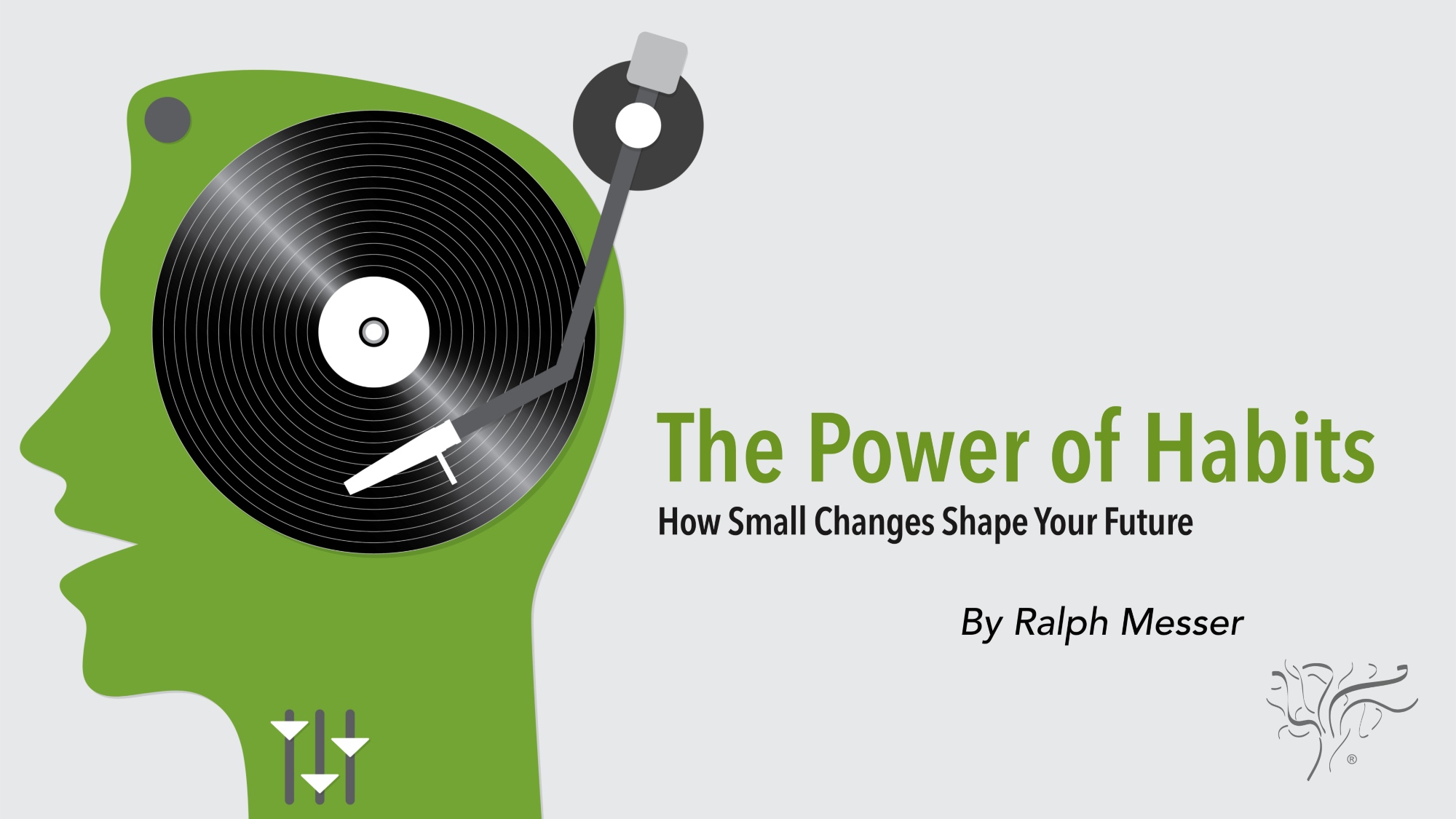
The Power of Habits: How Small Changes Shape Your Future

Have you ever stopped to think about where your habits come from? More importantly, have you considered how they shape your future? The routines we engage in daily—whether conscious or unconscious—are the building blocks of our success, mediocrity, or failure. Understanding how habits work and learning the secrets to habit change can dramatically alter the course of your life.

Why Habits Matter

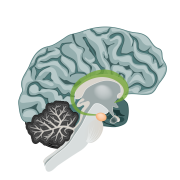
Habits serve a crucial purpose. They allow us to perform tasks automatically, conserving valuable brain energy. Our brain, particularly a small golfball-sized area called the basal ganglia, governs our habits. When the brain identifies a frequently repeated action, it labels it as a habit and moves it into the subconscious mind, allowing us to operate on autopilot.

While this process is incredibly efficient, it can also be limiting. Unless we consciously evaluate and change our habits, we risk being controlled by ingrained behaviors that may not serve us well.

The Origins of Our Habits

Many of our habits come from our childhood and are heavily influenced by our parents. Studies reveal that children mimic their parents’ behaviors, thanks to mirror neurons—brain cells that help them replicate emotions, movements, and responses. By the age of 9, most children’s habits are set, meaning that the patterns established in childhood often persist into adulthood.

However, not all habits are inherited. As we grow, our environment, mentors, experiences, and even the mistakes we make play a role in shaping new habits. The good news? Habits are adaptable. With the right strategies, we can rewire our brains to embrace new, healthier behaviors.

The Science of Habit Formation

According to research, habits are formed through a three-step cycle:

  1. Cue – A trigger that prompts the habit (e.g., seeing a fast food sign and craving a burger).
  2. Routine – The behavior that follows (e.g., pulling into the drive-thru).
  3. Reward – The benefit that reinforces the habit (e.g., the satisfaction of eating the burger).
Once a habit is established, the brain stops fully participating in decision-making. This explains why breaking bad habits is so difficult—the brain resists change to preserve energy. Studies show that habit formation takes anywhere from 66 to 254 days, depending on the complexity of the behavior.

Breaking Old Habits and Creating New Ones

The key to habit change is tricking the brain into wanting the change. Instead of relying on willpower alone, successful habit transformation involves:

  • Replacing bad habits with positive alternatives.
  • Altering the environment to eliminate triggers for unhealthy behaviors.
  • Using rewards to reinforce new habits, making them more appealing.
For example, if your goal is to develop a reading habit, place books in visible areas and set a reward system for yourself (such as enjoying a cup of tea while reading). Over time, the brain associates reading with pleasure, making it easier to maintain the habit.

Habits and Your DNA

Recent studies in epigenetics show that our daily habits can actually influence which genes are activated or deactivated in our bodies. Negative habits such as chronic stress, poor diet, or lack of exercise can switch on genes linked to diseases like diabetes and heart conditions. Conversely, positive habits—like regular exercise, meditation, and learning—can enhance cognitive function and overall well-being.

This means our habits don’t just shape our lives; they can affect future generations by altering the genetic traits we pass down.

Conclusion: Change Your Habits, Change Your Life

If you want to transform your life, start by evaluating your daily habits: Are they leading you toward your goals, or are they holding you back? By consciously shaping your habits, you can take control of your future—one small change at a time.

Remember this key takeaway: Your habits define your destiny. Change your habits, and you change your life.